What is Achilles Tendonitis ?
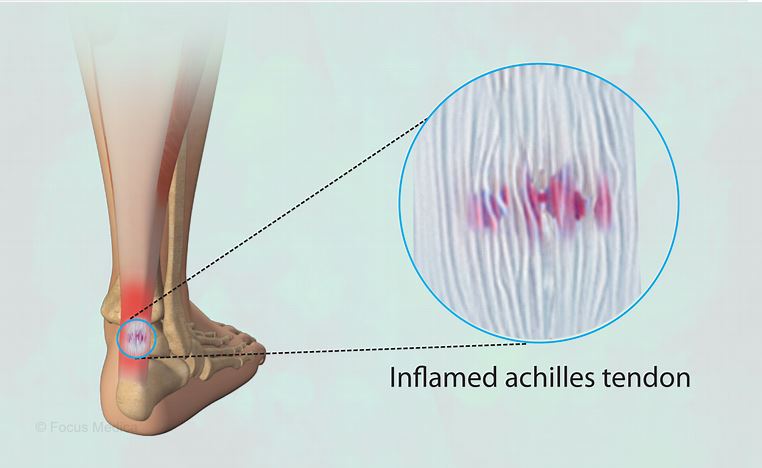
Achilles tendonitis is a painful condition caused by injury to the Achilles tendon, which connects the calf muscles to the heel bone. It commonly occurs due to overuse, especially in athletes engaged in running or excessive walking. The condition presents with symptoms such as pain and swelling at the back of the heel, thickening of the tendon, limited range of motion when flexing the foot, and tenderness in the affected area.
Achilles tendonitis is diagnosed through physical examination and imaging tests. Treatment options vary depending on the severity of the condition. For mild to moderate cases, self-care measures and medication may be recommended, including anti-inflammatory drugs to reduce pain and swelling. Physical therapy with stretching exercises to strengthen muscles and supporting structures is often prescribed. In some cases, surgery may be required for torn tendons or to remove bony elevations behind the heel.
The condition is more common in individuals aged 50 and older, and is more prevalent in males. Two types of Achilles tendonitis exist: insertional, affecting the lower portion of the tendon, and non-insertional, involving fibers in the middle, often seen in active, young people. Risk factors include sex, age, flat feet, obesity, tight calf muscles, certain medical conditions, and inappropriate footwear.
Prevention strategies include proper warm-up before exercise, gradual intensity increase in workouts, alternating between high and low-impact exercises, using well-fitting shoes with appropriate cushioning, and employing the right equipment. Patients may have questions for their doctors regarding the causes of their symptoms, the need for surgery, recovery time, potential restrictions, and the ability to participate in sports.
In terms of nutrition, individuals with Achilles tendonitis are encouraged to consume anti-inflammatory foods such as fruits, vegetables, beans, nuts, herbs, and spices like turmeric and garlic. Foods to avoid include refined carbohydrates, processed foods containing saturated and trans fats, and sugary treats, as these can exacerbate inflammation and hinder recovery.