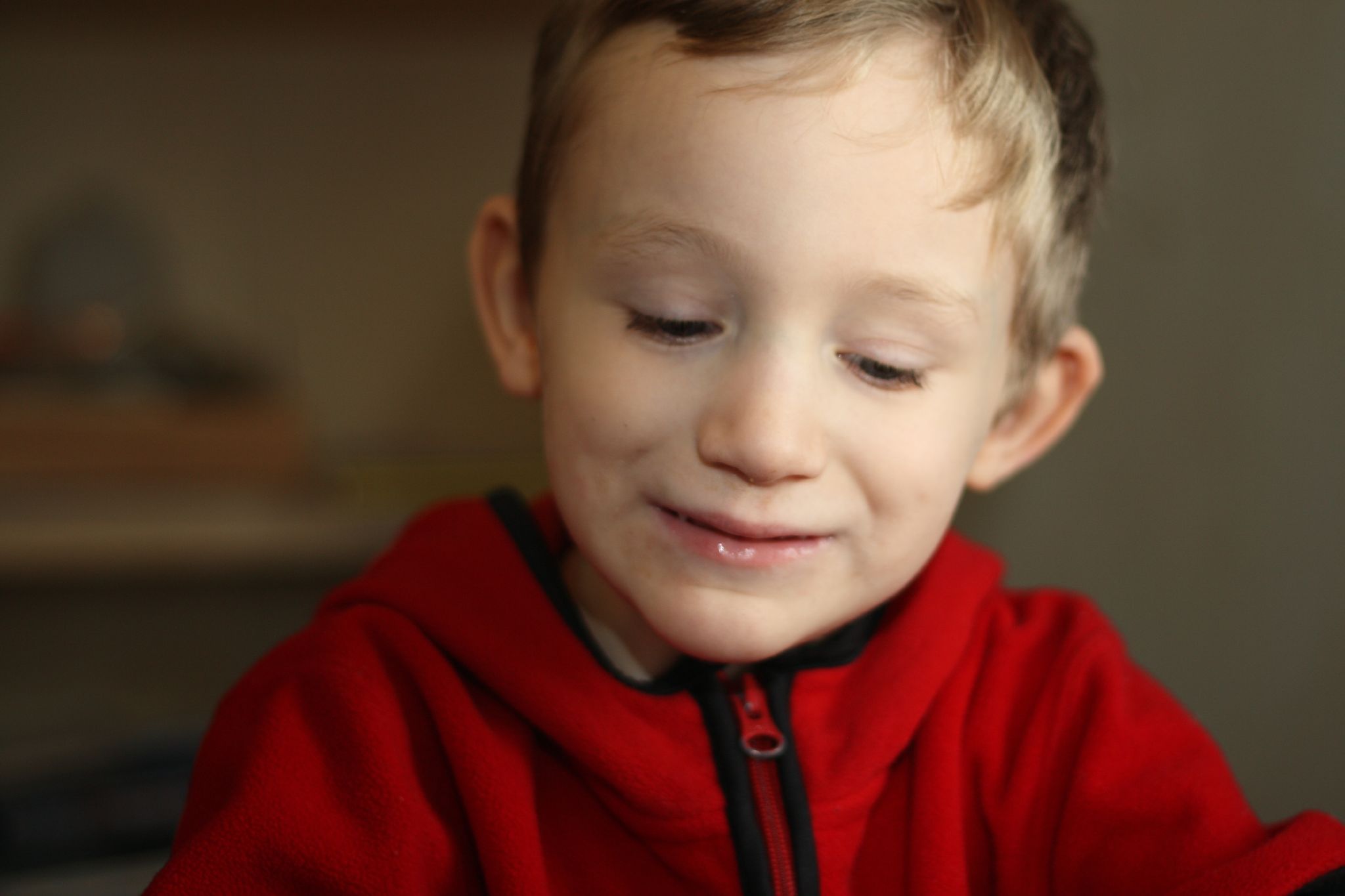
Understanding Autism: Myths, Facts, and Support
Introduction
Autism, also known as Autism Spectrum Disorder (ASD), is a complex neurodevelopmental condition that affects millions of people worldwide. Despite its prevalence, autism remains widely misunderstood. This article aims to provide a comprehensive overview of autism, debunk common myths, and highlight the importance of support and acceptance for individuals with ASD.
Defining Autism
Autism is not a single, uniform condition but rather a spectrum of disorders that manifest differently in each individual. The term “spectrum” signifies the wide range of challenges and strengths people with autism possess. The core features of autism typically involve difficulties in social communication and repetitive behaviors. These challenges may vary in severity and can include issues with verbal and non-verbal communication, sensory sensitivities, and a preference for routine.
Myths and Misconceptions
- Autism is caused by vaccines: This myth has been thoroughly debunked by numerous scientific studies. There is no credible evidence linking vaccines to the development of autism.
- All autistic individuals are savants: While some individuals with autism may have exceptional abilities in specific areas, such as mathematics or music, this is not a universal characteristic. Autism affects people differently, and many individuals have diverse talents and abilities.
- Autism can be “cured”: Autism is not a disease, and there is no cure for it. However, early intervention and therapies can significantly improve the quality of life for individuals with ASD by helping them develop essential skills and coping strategies.
- People with autism lack empathy: This misconception couldn’t be further from the truth. Autistic individuals can experience and express empathy, but they may do so differently than neurotypical individuals. Understanding and interpreting emotions can be challenging for some, but it doesn’t mean they lack empathy.
Challenges Faced by Autistic Individuals
- Social Interaction: Many individuals with autism find it challenging to engage in typical social interactions. They may struggle with making eye contact, understanding social cues, or engaging in reciprocal conversations.
- Sensory Sensitivities: Sensory sensitivities are common in autism. Everyday sensory experiences like loud noises, bright lights, or certain textures can be overwhelming and distressing for some autistic individuals.
- Repetitive Behaviors: Repetitive behaviors, also known as stimming, can be a coping mechanism for individuals with autism. These behaviors might include hand-flapping, rocking, or repeating words or phrases.
- Communication Difficulties: Some individuals with autism may have limited verbal communication skills, while others may have a vast vocabulary but struggle with pragmatic language (the appropriate use of language in social situations).
Support and Acceptance
Supporting individuals with autism is crucial for their overall well-being and development. Here are some key ways to promote acceptance and provide assistance:
- Early Intervention: Early diagnosis and intervention are essential. Early childhood services and therapies can make a significant difference in a child’s development.
- Education and Awareness: Promote autism awareness and acceptance in schools and communities. Encourage inclusivity and empathy among peers and educators.
- Individualized Approaches: Recognize that every person with autism is unique. Tailor support and accommodations to their specific needs and strengths.
- Advocacy: Advocate for policies that support individuals with autism, such as better access to healthcare, education, and employment opportunities.
- Acceptance and Inclusion: Foster an inclusive society where individuals with autism are respected and included in all aspects of life.
Conclusion
Autism is a complex and diverse condition that affects individuals differently. It is essential to challenge misconceptions and promote understanding and acceptance. With the right support, individuals with autism can lead fulfilling lives, and society can benefit from their unique perspectives and talents. Embracing neurodiversity is not just a moral imperative but also a pathway to a more compassionate and inclusive world for all.