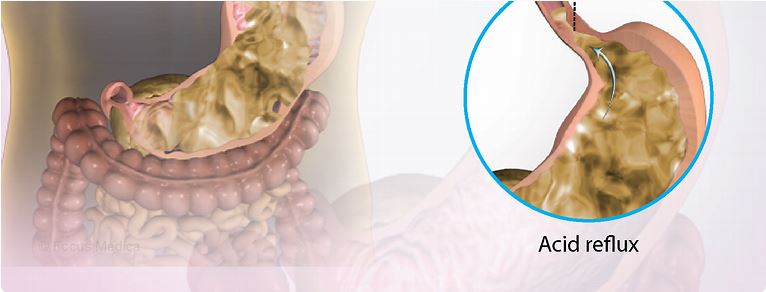
Symptoms and causes of Dyspepsia
Dyspepsia is a condition characterized by impaired digestion, resulting in persistent or recurrent pain or discomfort in the upper abdomen. It can be caused by factors such as gastric and duodenal inflammation, Helicobacter pylori infection, food allergies, and various other factors. Common symptoms of dyspepsia include bloating, heartburn, belching, nausea, abdominal pain, feeling uncomfortably full, and loss of appetite.
To diagnose dyspepsia, medical professionals may conduct tests like laboratory examinations to check for H. pylori infection and other metabolic disorders, endoscopy to assess the integrity of abdominal organs, X-rays, and CT scans to identify obstructions in the stomach. Treatment approaches vary based on the underlying cause; if no specific cause is found, symptom relief through medication is the focus.
Complications of untreated dyspepsia can include peritonitis (inflammation of the intestinal lining), pyloric stenosis, and scarring of the esophagus due to acid reflux. Preventive measures include reducing fatty meal intake, limiting alcohol and tobacco use, minimizing consumption of carbonated drinks, managing stress, and engaging in regular exercise.
Patients may have questions for their doctors regarding the nature of the condition, potential medication-related causes, the role of anxiety in dyspepsia, treatment options, recommended dietary changes, and more. In terms of nutrition, individuals with dyspepsia are advised to consume foods like leafy greens, oatmeal, lean meats with low fat content, and non-citrus fruits with low acidity. Foods to avoid include spicy foods, carbonated beverages, caffeine-rich drinks like coffee, citrus fruits, and high-fat foods, as these can exacerbate symptoms.